Sponsored article
History and Use of Funeral Banderoles in Church Tradition
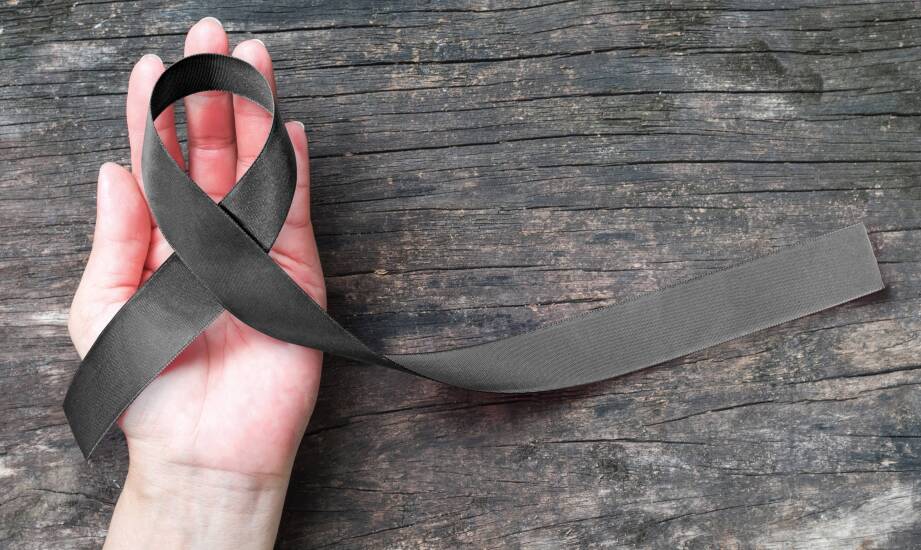
The Church's funeral tradition has been based for centuries on precisely established signs that organize the course of the liturgy and give it a clear character. Among these are funeral banderoles – an often overlooked yet significant element of the ceremony's visual and symbolic structure. Their presence is not an accidental addition but results from long-established practice, combining respect for the deceased with the need for a clear indication of the ceremony's importance.
Read more: What are the most important functions of modern deburring machines?
What are funeral banderoles and where did they come from?
Funeral banderoles are decorative ribbons or bands used during Christian mourning ceremonies, as elements of the coffin, urn, catafalque, and temple decor. Their origin traces back to the early Church practices when visual symbols of mourning played a key role in conveying spiritual messages. In medieval tradition, mourning ribbons signified the community's prayer for the deceased and highlighted the hope of resurrection, stemming from the Christian understanding of death as a transition, not an end. Over time, banderoles became a liturgically systematized element, blending aesthetics with theology and funeral practice.
Read more: How to effectively use POS displays in seasonal promotions?
What role do funeral banderoles play during the liturgy?
In funeral liturgy, banderoles serve as a symbolic message of the ceremony's nature. They indicate that at that moment, the temple is a space of mourning, prayer, and farewell to the deceased. The colors – most often black, purple, or white – highlight the main themes: solemnity, penance, or hope. The ribbons bring visual coherence among ceremony elements, integrating the coffin, altar, place of prayer, and procession. Similarly to how the zucchetto hat serves as a clear sign of clerical affiliation and function, the banderole is a recognizable symbol of the church rite's identity, distinctly differentiating funeral liturgy from other celebrations.
Read more: What are the advantages of entrance floor mats made from coconut fiber?
Why have banderoles retained their significance in contemporary church tradition?
In church tradition, funeral banderoles have not lost their significance, despite many elements of the ceremony being simplified. They connect the historical dimension with the emotional and spiritual needs of contemporary believers, and their careful craftsmanship, often realized by places like the Ars Sacra workshop, further emphasizes liturgy's importance. For the families of the deceased, they represent a sign of respect and dignity for the ceremony, and for the community – a signal of joint participation in prayer for the deceased's soul. Banderoles also maintain the visual order of the liturgical space, ensuring the funeral rite remains clear, cohesive, and consistent with the Church's age-old symbolism.
Evolution and Durability of Funeral Banderoles in Church Tradition
The history of funeral banderoles begins in the earliest forms of Christian rituals, where mourning ribbons served as a symbolic sign of prayer for the deceased. In subsequent centuries, their function was reinforced, and the banderoles became a permanent element of funeral liturgy, merging aesthetics with theological messaging. Today, they remain an essential part of ceremonies, emphasizing the ceremony's character, organizing the liturgical space, and creating a visual setting consistent with the Church's centuries-old tradition.
You might be interested

How does the quality of raw materials affect the taste of pork meat?

Why Choose Certified Products in Wholesale Offerings?

How to Avoid the Most Common Mistakes During Kitchen Renovation?