Sponsored article
How does the quality of raw materials affect the taste of pork meat?
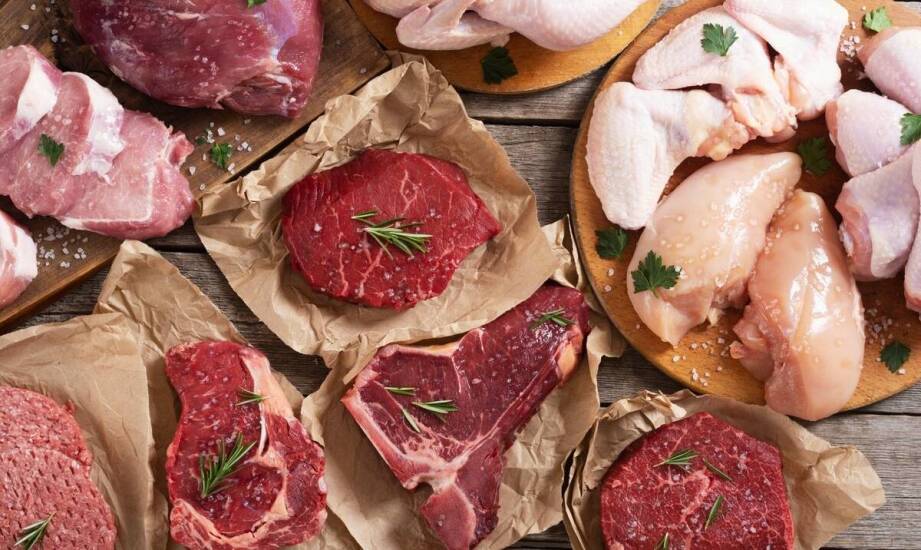
The quality of pork raw materials is crucial for the taste of the meat. Appropriate factors in the process of breeding and processing influence the final culinary outcome. It is important to pay attention to the methods of sourcing and processing materials to enjoy a delicious and aromatic dish. Sourcing methods and their processing have a significant impact on the quality of dishes. Read on to discover the secrets of excellent pork!
Read more: How Wholesale Vegetable Supplies Affect Large Retail Chains?
Factors affecting the quality of raw materials
The quality of raw materials for high-quality pork depends on many factors. The diet of pigs plays a key role, as appropriate foods affect the taste and texture of the meat. Breeding conditions, such as space and veterinary care, are also important - healthy and less stressed animals produce better quality meat. Slaughter methods are another vital element; a humane approach minimizes animal suffering and affects the quality of the final product. Understanding these aspects allows for the appreciation of high-quality pork meat taste and nutritional values.
Read more: What are the Benefits of Using Spices Dedicated to Smoking?
The diet of pigs and pork taste
The diet of pigs is significant for meat flavor. The variety of feed, such as grains, hay, or alfalfa, influences the quality and taste characteristics. Additives to feed, e.g., vegetable oils or plant extracts, can enhance the palatability of pork meat. It is worth considering these factors to ensure high-quality products. A balanced diet translates into both taste and health benefits of the meat, which is crucial for producers and companies exporting pork meat. Proper pig nutrition leads to better flavor attributes.
Read more: The Impact of Innovative Technologies on the Quality of Different Coffees
Modern breeding methods
Recent years have seen a dynamic development in modern breeding methods in the meat industry, aiming to improve meat quality. The use of advanced technologies allows for better results in flavor and nutritional values. Examples of such innovations include animal health and welfare monitoring systems, enabling a quick response to potential issues. This results in pigs being less stressed, leading to high-quality meat. Another aspect is the use of appropriate feeds and dietary supplements, impacting muscle and fat development. Consequently, excellent pork with intense flavor and aroma is achieved.
Slaughter conditions and meat quality
Slaughter conditions significantly affect the quality of the meat, including the taste and texture of pork. Appropriate slaughter methods and attention to welfare can significantly enhance the taste qualities of the final product. Therefore, it is important for meat producers to pay attention to these aspects of the process, ensuring customer satisfaction and the reputation of their brand.
You might be interested

What are the advantages of entrance floor mats made from coconut fiber?
The Impact of Artistic Decorations on the Functionality of Ceramic Plates
What are the most important functions of modern deburring machines?
