Sponsored article
The Impact of Innovative Technologies on the Quality of Different Coffees
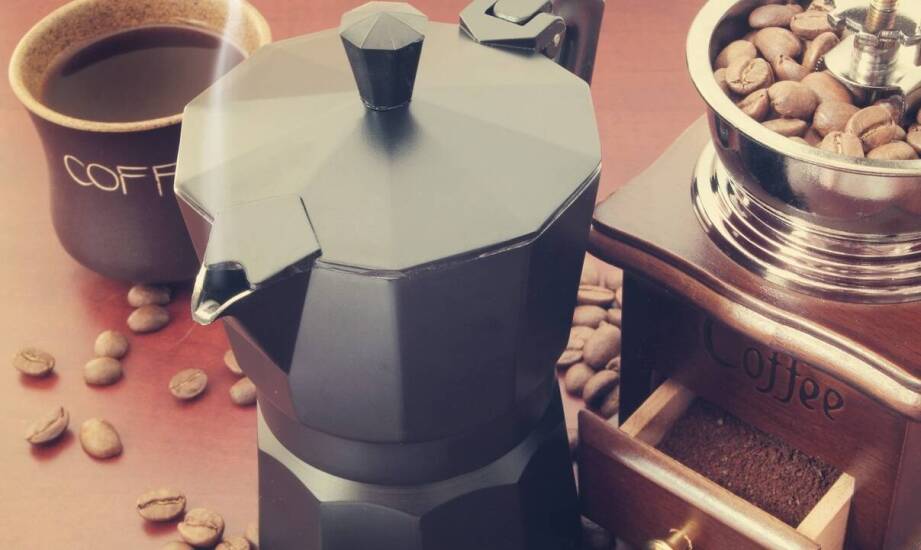
Modern technologies in coffee roasting play a crucial role in enhancing the quality of the beverage. Thanks to advanced machines and precise software, producers can bring out the best in beans—full flavor, deep aroma, and the perfect balance between acidity and sweetness. An innovative approach to the roasting process provides baristas with greater control over every stage of production, resulting in a beverage with exceptional character for consumers.
Read more: How Wholesale Vegetable Supplies Affect Large Retail Chains?
Modern Coffee Roasting Machines
The contemporary market offers a wide range of coffee roaster machine options varying in design, efficiency, and purpose. For small roasters, compact commercial roasters are ideal, providing high precision roasting for small batches of beans. Large enterprises, on the other hand, increasingly turn to industrial roasting systems that guarantee process stability and consistency of results for large-scale production. Modern roasters meet the highest quality standards — they allow temperature regulation, drum rotation speed, and airflow adjustment, all of which directly affect the taste and aroma of coffee. It is precisely the diversity of available machines and technologies that allows for the creation of unique roasting profiles, better catering to the tastes of customers who value variety of coffee.
Read more: What are the Benefits of Using Spices Dedicated to Smoking?
Roasting Methods and Flavor Profile
The roasting process is an art where every detail matters. Traditional techniques ensure even heating of the beans and result in a classic, balanced taste. In contrast, modern methods, such as fluid bed roasting, pulsed roasting, or microwave roasting, allow for more precise temperature and time control, resulting in the discovery of entirely new aromas. It’s technological advancements that enable coffee roasters today experiment with roasting profiles, creating diverse products for connoisseurs—from light, acidic notes to intense, chocolate-nutty flavors.
Read more: How does the quality of raw materials affect the taste of pork meat?
The Importance of Software in the Roasting Process
Today's roasteries increasingly use dedicated software that allows real-time control of roasting process parameters. By analyzing data from sensors and automatically recording profiles, it's possible to precisely replicate the best results. Software for coffee roasteries allows monitoring of temperature, airflow, moisture, and cooling time of the beans. Such solutions not only streamline production but also help optimize the use of energy and resources. This is proof that digital innovations support not only beverage quality but also the efficiency and sustainable development of roasteries.
You might be interested

Bar mats from PVC – how to use them in visual merchandising strategy
What are the Benefits of Using Spices Dedicated to Smoking?

Benefits of Choosing Vitamin K2 MK7 Powder - What Do External Tests Say?